

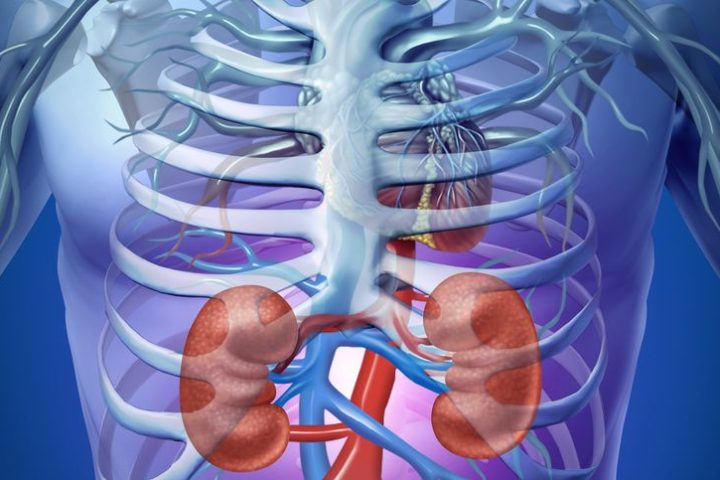
Chronic kidney diseases are considered silent killers worldwide because they progress slowly but lead to extremely serious and life-threatening consequences over time.
Medical experts have long agreed that a large number of kidney patients die not directly due to kidney failure but because of heart disease. However, the underlying reason for this connection remained unclear. A new study conducted by the University of Virginia Health System in the United States has now provided a clear scientific explanation for this mysterious link.
The research examined in detail why people suffering from chronic kidney disease face an unusually high risk of heart problems. Scientists discovered that once kidney damage begins, the kidneys start releasing certain substances that spread throughout the body via the bloodstream. These substances directly affect heart muscles and tissues, gradually weakening heart function over time.
According to the research team, laboratory experiments revealed that diseased kidneys release extremely tiny particles that are normally considered a means of communication within the body. Under healthy conditions, these particles help deliver proteins and other beneficial components to cells. However, in chronic kidney disease, the same particles begin carrying toxic substances to the heart.
Experts explained that this toxic material causes inflammation, weakness, and eventually dangerous conditions such as heart failure. During experiments on mice, blocking the release of these harmful particles resulted in a noticeable improvement in heart function.
Scientists reported a significant reduction in symptoms of heart failure and an overall improvement in cardiac function. Blood samples from patients with chronic kidney disease were then compared with those of healthy individuals, revealing that these toxin-filled particles were present only in patients. At the same time, no trace was found in healthy subjects.
Researchers noted that the medical community had long questioned how the kidneys and heart communicate with each other. This study has demonstrated that these tiny particles carry a silent yet deadly message from the kidneys to the heart.
Based on these findings, experts believe that new blood tests could be developed in the future to identify early signs of severe heart risks in kidney patients. The study, published in the medical journal Circulation, is being seen as a breakthrough that could transform the treatment of kidney disease while also playing an important role in the early detection and prevention of heart diseases.