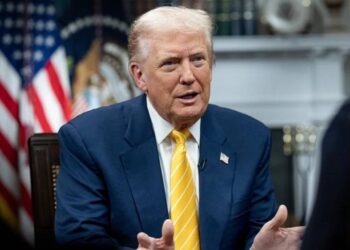

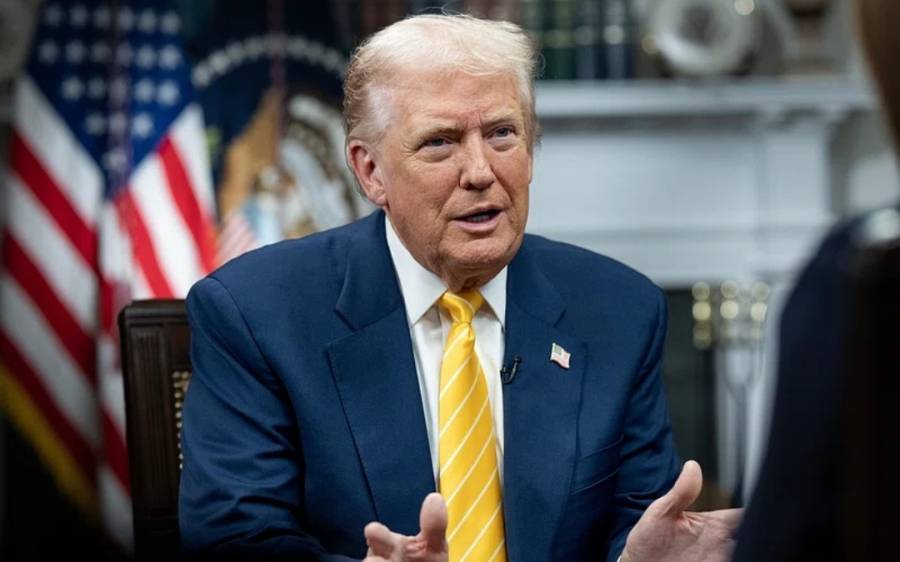
In Washington, US President Donald Trump announced a blockade of the Strait of Hormuz, stating that Iran will no longer be able to sell its oil, marking a major defensive move in the Middle East with global implications.
According to details, President Donald Trump said while speaking to the media that Iran has failed to fulfill its commitments to the international community, prompting the United States to take a decisive step by closing the Strait of Hormuz to restrict Iran’s oil exports and increase pressure on it.
He warned that any vessel found paying illegal tolls to Iran would not be granted safe passage in open waters, indicating stricter monitoring and enforcement in maritime activities following the announcement.
The US president further stated that Iran will not be allowed to acquire nuclear weapons under any circumstances, adding that it no longer matters whether Iran returns to the negotiating table, suggesting a potential escalation in tensions between the two countries.
Following the announcement, the situation in international waters has become tense, with noticeable impacts on global maritime movement.
Reports indicate that several oil tankers have begun leaving affected areas of the Strait of Hormuz, while a large Malta-flagged vessel carrying oil from Iraq turned back after the US announcement and is currently anchored in the Gulf of Oman, highlighting the seriousness of the situation.
According to defense analysts, the primary objective of this move is to address security concerns and intensify economic pressure on Iran to force a shift in its policies.